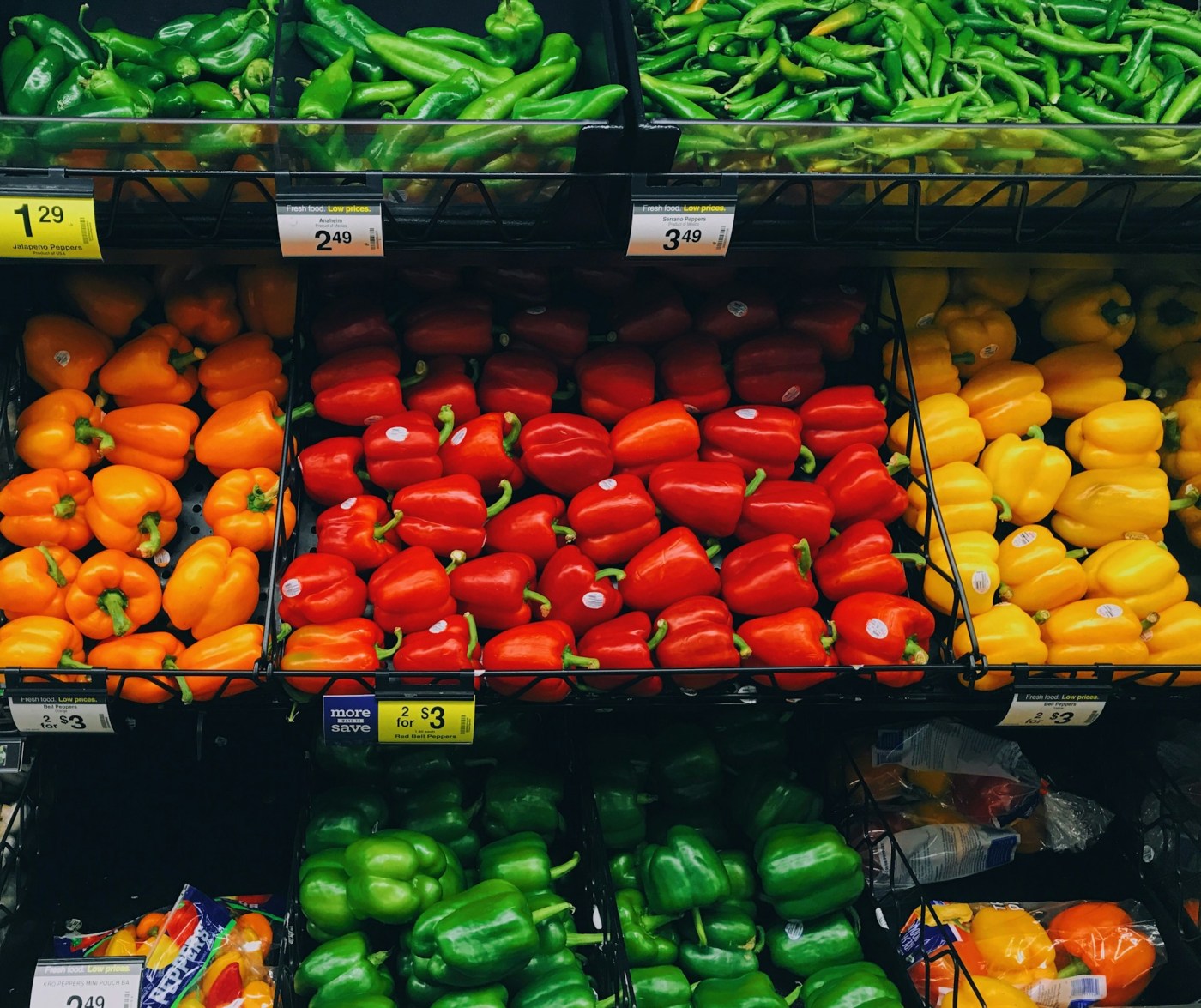
Going to the grocery store these days is becoming more uncomfortable than a dental procedure. With the current turbulence of President Trump’s tariff policy and the reaction from the U.S. economy, American families are left hanging in the balance, unsure if the price of something they use regularly will be more expensive the next time they go to buy it.
According to the USDA Economic Research Service, at-home food expense makes up 5.3% of a family’s budget. While that might not sound like much, it’s worth noting that long before the tariff turmoil, inflation was the main villain, causing food prices to spike by 31% since 2019. Though the most recent inflation figures are somewhat tamed for now, the difficult thing to remember is that once prices go up, they rarely ever come back down.
Therefore, as a human being who needs to eat and provide for a family, chances are you’ll take all the help you can get. In this post, we’ll explore 13 ways to narrow down your spending at the grocery store and help keep your budget in check.
1) Meal Plan First
If you were going to build something like a shed or deck for your house, you wouldn’t just go to the hardware store and guess at the materials you’ll need. Of course not! Instead, you’d think about what you were going to make and then purchase the exact items required.
Meal planning is no different. Instead of aimlessly buying products at the grocery store because they caught your eye, it forces you to rethink the activity with specific goals in mind and stick to only what’s required.
To keep costs down, don’t forget to check what you already have. For example, if you’re making something that requires noodles and you already have a box of them in your cupboard, then that’s one less thing to purchase.
2) Consider More Vegetarian Ingredients
Meals that are heavy with meat or seafood can get quite expensive pretty quickly, especially if you’re a little heavy-handed. For this reason, it’s a good idea to add some healthy filler to your meals using vegetarian ingredients. Think of items like quinoa, rice, beans, and other staples.
3) Frequent Discount Grocers
Where you buy your groceries shouldn’t be a status symbol. Shopping at certain stores will result in you paying more than you have to for essentially the same items.
Instead, look to places like Aldi and Costco for deals. Most of what they offer could knock $25 to $50 off your cart per week. That’s a savings that will add up over time.
4) Become a Rewards Member
Yes, it’s a little annoying that you have to “sign up” to get special discounts at most grocery stores. But nearly all of them do it, so it’s become somewhat unavoidable.
Thankfully, most grocery store memberships are free and can be completed in just a few minutes from your mobile phone. Plus, if you download the app, then you’ll easily get automatic savings by just showing your digital card to the cashier when you check out.
5) Eat Before You Go to the Store
Never ever go hungry to the grocery store. You’ll subconsciously think everything looks delicious and be more tempted to buy products you don’t need and probably won’t use. Again, just stick to the list you created for your meal plan.
6) Buy Fresh Produce Only When It’s In Season
It can be healthy for you to eat more fruit and vegetables. But if you’ve ever paid attention to the prices of fresh produce, then you’ll notice that they fluctuate like the stock market. For example, it’s well known that the cost of an avocado can be relatively cheap during one shopping trip and then quite expensive the next time. Therefore, be flexible when it comes to your produce needs.
7) Opt for the Items on Sale
Produce isn’t the only thing that you’ll want to have some wiggle room for adjustment. There are plenty of other items at the grocery store that can fluctuate in cost, such as meat, dairy, snacks, etc. If you get to the store and see that one item is full price but another is on sale, adjust your plans accordingly.
8) Go for the Bigger Portion
With grocery items, generally speaking, bigger is better. This is why places like Costco and Sam’s Club are so popular. The more you can buy in bulk, the lower the price per unit will typically be.
Of course, do your due diligence. Take note of the price per unit before putting any item in your cart, and make sure that it really is a bargain.
9) Divide Up Meat and Freeze It
Speaking of bigger portion sizes, meat can sometimes be a tricky one. Unless you’re cooking for a large family, you’re probably not going to cook the entire package. But at the same time, the larger portion size will usually be the better deal.
Therefore, the workaround is to split the package up before throwing it into your freezer. When you get home, put it into two or more separate containers so that you can grab only what’s needed later on.
10) Skip the Center Aisles
Many people think that the items in the center of the aisle are there for your convenience or because they’re a great deal. But realistically, they’re there because the store wants you to notice them and make a purchase. This might not always be in your best interest. Like all items, compare to ensure you’re getting the best deal and stick to your list.
11) Generic Brands are Okay
While some items taste better than others, not everything necessarily needs to be name brand. You might pay significantly less by opting for the generic version instead. A good example of this is cereal. Typically, the store brand tastes almost the same but is much less expensive.
12) Go Easy on the Fancy Meats and Cheeses
Making a charcuterie board for a party or having fancy meats and cheeses can be fun. But it’s also VERY expensive! To mind your budget, keep the artisanal items to a minimum.
13) Pay with a Rewards Credit Card
The trick with a credit card that gives you points or cash back is to use it for things that you know you’re going to buy anyway. Groceries are a perfect candidate. Some credit cards even have revolving rewards categories that give you more for using them at grocery stores. You could easily rack up hundreds of dollars in gift cards, travel points, or even cash just for being strategic.
The trick, of course, is to pay the balance in full once the bill comes due. By doing this, you won’t accrue any interest and end up paying more than you should.
Featured image credit: Unsplash
 Buxfer Blog