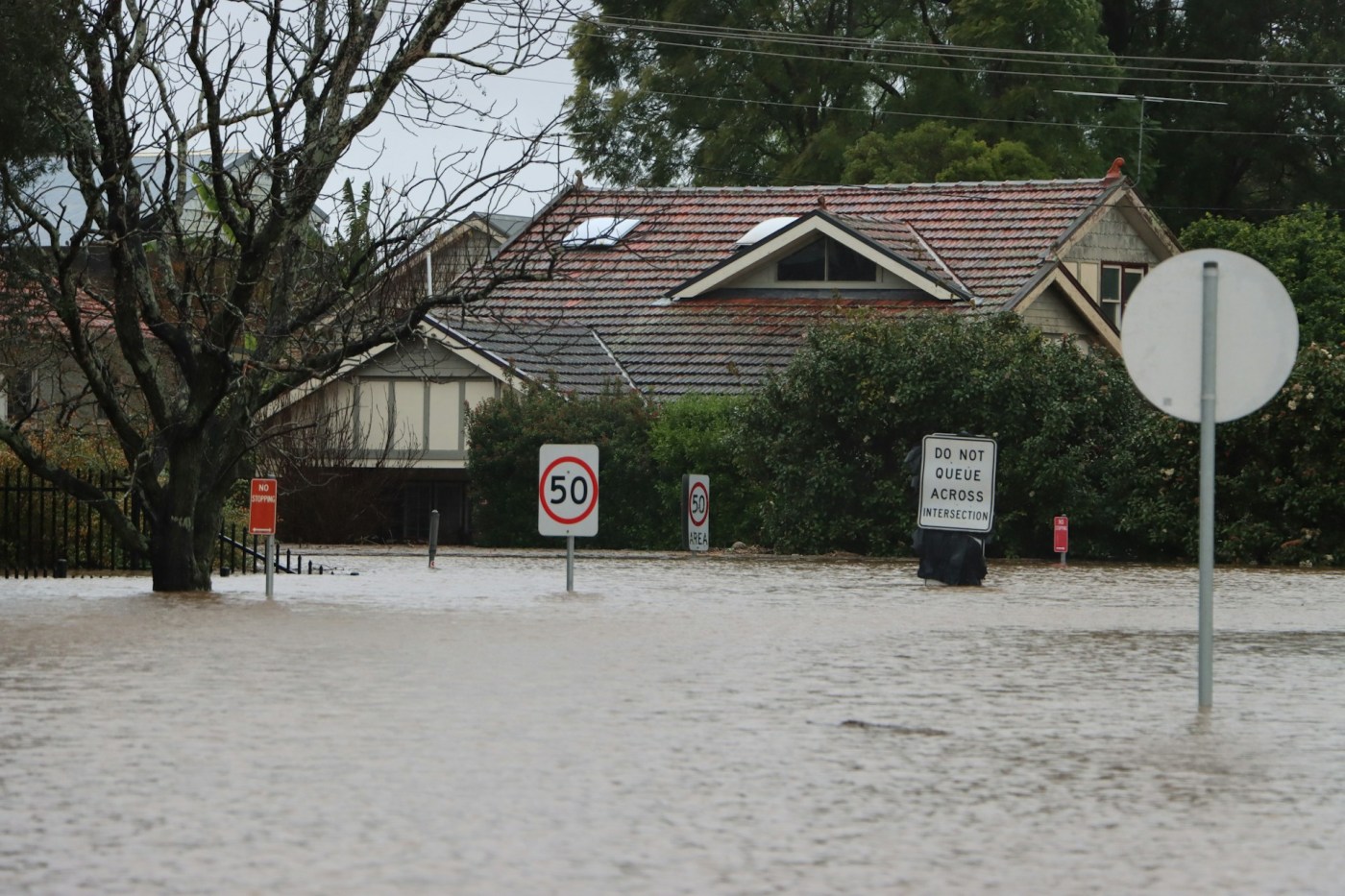
2024 has not been particularly kind to the US southern east coast. In September, Hurricane Helene, a Category 4 storm, hit Florida’s Gulf Coast and carried as far inland as North Carolina. Then, just two weeks later, another storm, Hurricane Milton, arrived at the Siesta Key as a Category 3 hurricane.
The combined economic impact of these storms is unimaginable. Not only have they left hundreds of thousands of people without power and shelter, but many consider themselves fortunate just to have survived.
It’s in these situations that we’re reminded how danger can strike at any moment. Regardless of where you live or what your situation may be, there’s always something that can threaten your financial well-being.
Even if you have insurance, you’re not always one hundred percent protected. Many homeowners’ policies have gaps that don’t cover certain disasters (such as floods). Even if you are able to file a claim, it could be months or even years before you receive some or all of your benefits. In the meantime, what will you and your family do to survive and rebuild?
It’s a fair question to ask: Outside of an emergency fund, what other options do I have? Sure, you might have three to six months’ worth of emergency savings in the bank. But in disaster situations, this money could go faster than you think.
Rather than racking up credit card debt or getting suckered into payday loans, choosing where to turn next can have significant financial consequences. For that reason, here are five places you might consider looking first.
1) Hardship Withdraw
Under normal circumstances, withdrawals made before age 59-1/2 from traditional tax-deferred retirement accounts such as a 401(k) or IRA will result in:
- Taxes
- A 10% penalty
However, the IRS does make an exception called a “hardship withdrawal”. For your situation to count as a hardship, the IRS says there needs to be an immediate and heavy financial need.
Examples might include:
- Repair of a principal residence after a flood, fire, or earthquake
- Expenses to prevent being foreclosed on or evicted
- Burial or funeral expenses
- Certain medical expenses
As long as you can prove that you’re experiencing a hardship, then you won’t have to pay the 10% early withdrawal penalty. However, you’ll still owe taxes on your federal income tax return.
2) Roth IRA Contributions
Because a Roth IRA has a different structure than a tax-deferred retirement account, you are allowed to withdraw your contributions tax and penalty-free before age 59-1/2. This is because technically you’ve already paid taxes on this money, so it’s yours to access any time you want (as long as the account is at least five years old).
The only catch is that this rule does not extend to the earnings portion of your Roth IRA. In other words, any money that grew on top of the money that you’ve contributed over the years is still off limits until age 59-1/2 – unless you want to pay taxes and an early penalty.
Also, another thing to keep in mind is that once you make a withdrawal from your Roth IRA, you can’t put them in it (at least not beyond the annual contribution limit for the year). Therefore, give some consideration as to how this might impact your retirement goals later on.
3) 0% APR Promo Credit Card
I’m not a big fan of putting a lot of expenses on credit cards without having a solid plan in place as to how you’ll pay it off. However, in a disaster situation, if I had to make an exception, it would be using a 0% APR credit card.
Many credit card issuers attract new customers by offering 6 to 18 months of no-interest payments on their balances. Depending on your situation and credit score, this might be just long enough to get through the tough times and then pay down your card before the 0% promo period expires.
You’ll want to make sure you do because once the APR adjusts, it will not be in your favor. Also, it will pay to read the fine print. Even though many of these promotional cards claim to have 0% APR, there are interest charges that accumulate in the background and can become due as soon as the introductory period is over if a balance still remains.
4) Home Equity Loan or HELOC
If the financial disaster you’re dealing with doesn’t involve any damage to your home, then another possible way to get the money you need would be to borrow from your equity. Equity is the portion of your house that you own. In other words, if you sold your residence and paid off the mortgage, it would be the money that’s leftover.
It’s fairly common for people to borrow against their equity for a variety of reasons:
- A home renovation
- Sending their children to college
- A major purchase such as a summer home
Emergencies count too. An unexpected job loss or hefty medical bill could be another way to cover your living expenses until you figure out what to do next.
When it comes to borrowing against your equity, there are two popular methods:
- Home equity loan – A one-time, lump sum loan that’s generally less than 80% of the equity you have available. These loans usually come with a fixed interest rate and result in regular monthly payments lasting between 5 and 15 years.
- HELOC – A home equity line of credit essentially turns your property into a credit card with a variable rate of interest. You’re granted an open line of credit that’s limited by your equity, and you can borrow against it as needed. The first few years (the draw period) only require interest to be repaid. However, once the draw period expires, the balance converts to a regular home equity loan that gets paid back monthly over the next 5 to 20 years.
With either option, it’s crucial to understand that your home will serve as the collateral for the loan. This means the lender can take your home if you fail to make your payments. Therefore, be sure to only borrow as much as what’s needed and have a plan for making your repayments.
5) 401(k) Loan
Similar to a home equity loan, another financial resource you can borrow against is your workplace retirement plan. For most people, this will be their 401(k).
The maximum amount you can borrow from your 401(k) is 50% of your vested account balance or $50,000, whichever is less. You must then repay the loan within five years with interest.
While 401(k) loans are fairly common, it’s important to remember that not all employers allow them. To be sure, check with your HR department first.
Final Thoughts
Though it’s good to know you have each of these resources as a potential backup, the hope is that you never have to use them. Raiding your retirement accounts or putting your house up as collateral can be very risky and make an already tense situation even worse. Therefore, these options should only be used in the most extreme cases.
Ideally, the best time to prepare for a rainy day is when the sun shining. Devote as much of your budget as you can towards building the biggest, most robust emergency fund possible – potentially as much as 12 months’ worth of living expenses.
Additionally, even though insurance may take a little time to kick in, you should still make sure you’ve got adequate coverage. Even if you have to cover the expenses until the insurance company payment is received, it’s better late than never.
Featured image credit: Unsplash
 Buxfer Blog