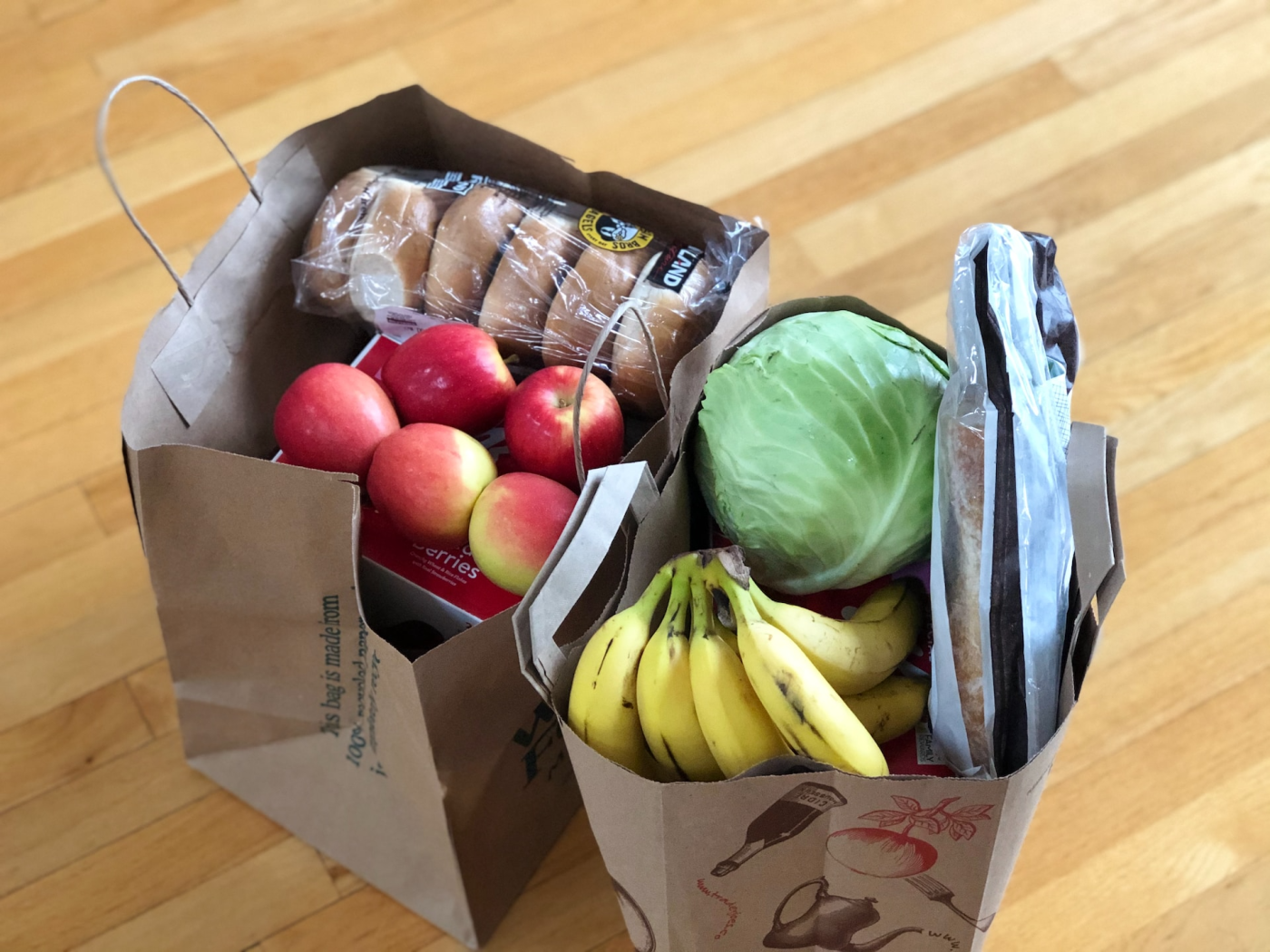
If the cost of food is putting a huge dent in your finances, then you’re not alone. According to the USDA, food prices soared by 9.9% in 2022 and they are expected to climb another 6.2% by the end of 2023.
Obviously, you can’t stop eating. But you also don’t have to let rising food costs throw off your budget. With a few small changes to your habits, you can get your eating expenses under control and back to where they need to be. With that said, here are ten smart ways how you can stop wasting money on food.
1) Eat Out Less
It’s no secret that dining out at restaurants is going to be more expensive than preparing food at home yourself. However, what’s not well understood is just how much more this can cost.
Consider that the average modest sit-down restaurant (think of a place like Chili’s or Olive Garden) currently charges anywhere from $15 to $25 per plate. Even casual dining establishments like Chipotle or Panera Bread also start around $10 per menu option. By the time you factor in a drink, side item, or even a tip, that’s easily another $5 to $10 per person.
If you regularly go out to lunch for work, then this is a good place to start making cutbacks. Commit to bringing food from home instead.
2) Plan Your Meals and Make a List
One of the best ways to shop for food is to do it with intention. That means buying only the things you are 100% going to use this week and won’t end up throwing away.
For the greatest chances of success, take a few minutes the day before you plan to grocery shop and make a list. Browse through recipe ideas online and write down everything you plan to cook for the week. From there, expand your list to include each of the ingredients required – taking inventory of which items you already have and which ones you need. This will help you to be more targeted in the items you go grocery shopping for.
3) Never Shop Hungry
On the day that you’re going to go grocery shopping, don’t do it on an empty stomach. This will trick your brain into buying a whole lot of unnecessary snacks or meals that you most likely will never actually prepare.
Fight the urge by making sure that you eat something beforehand. For instance, try going after you’ve eaten breakfast or dinner (depending on when you like to shop). If it’s a time that’s between meals, eat a small power bar just to get something in your belly. Even drinking a whole glass of water can give you the sensation of feeling fuller.
4) Avoid What’s Not on Sale
While it’s important to stick to your list, you may need to deviate if you find there’s a better deal on other ingredients. This goes for meat, produce, or anything else that isn’t favorably priced.
For example, let’s say your menu called for chicken but it’s not on sale this week. On the other hand, pork has been discounted. In this situation, it would make good financial sense to be flexible and switch your plans.
5) Generic is Okay
Even though you may swear by certain name brands, be open to using generic or store-brand items. A lot of the time these items have the ingredients and even come from the same distributor as the higher priced item. Give them a try and as long as you don’t notice a difference in quality, why not save a few dollars in the process?
6) Buy In Bulk
There’s a good reason why mega-stores like Costco are so popular. Buying things in larger quantities usually results in a better price per unit. This is absolutely true of items that you were going to use anyways and have a good shelf life.
A good example is meat. If you can buy a large package of chicken or lean ground beef, then you can divide it up and freeze what you don’t need. That works out to less paid per pound than if you had bought each portion individually.
7) Use Everything You Buy
Despite planning your meals and making a list, it’s still up to you to make sure that you actually eat all the things you purchased that week. This is especially true for things that perish quickly like salad mix, fruit, or bread. If you didn’t end up using those items as you had originally planned, shuffle your meals around so that they can be used before they spoil.
Don’t forget this is also true for the items that have already made it into your pantry, refrigerator, and freezer. For example, if you’ve got boxes of pasta that you haven’t used in a while, think of a way that it could be integrated into your next meal plan.
8) Make Enough for Leftovers
If you’re going to go through all the trouble of cooking something good, then why only eat it once? Make enough to enjoy the next day or later that week.
This strategy works really well for lunches. Instead of buying and preparing something else to eat at work, just make a little extra and use the leftovers as your lunch the next day.
Again, don’t be wasteful. If you put what’s left over in the fridge, commit to eating it later and not letting it go to waste.
9) Brew Your Own Coffee
Meals aren’t the only drain on your food budget. If you’ve got a habit of stopping every day to get your favorite coffee, then this is going to add up fast.
Instead, commit to making your own at home. With all of the expresso makers and mixes out there, you’d be surprised at how close you can come to being your barista.
10) Set a Budget and Stick to It
It can be tempting to let your grocery shopping tastes set your budget. However, the truth is that it needs to go the other way around – You need to set a boundary for how much you can spend each week and then stay disciplined to stay within that limit.
A good way to make sure that you’re staying on track is to use a helpful budgeting app like Buxfer. Buxfer automatically syncs with your credit cards and bank accounts. That means every time you go to the grocery store or eat out at a restaurant, you’ll already know how much you’ve spent in total for the month. Try this for a few weeks and see how being in the know can help you course-correct your spending habits.
Featured image credit: Unsplash
 Buxfer Blog